/eh/2025-04-23/1745386518936196457/Worldwide-Shipping.png)
/eh/2022-08-31/1661940186781245007/Daily-Updates-of-Trendy-Products.png)
/eh/2022-08-31/166194019111288858/No-MOQ-Factory-Direct-Supply.png)
/eh/2022-08-31/1661940197540913961/Exclusive-Customer-Manager.png)

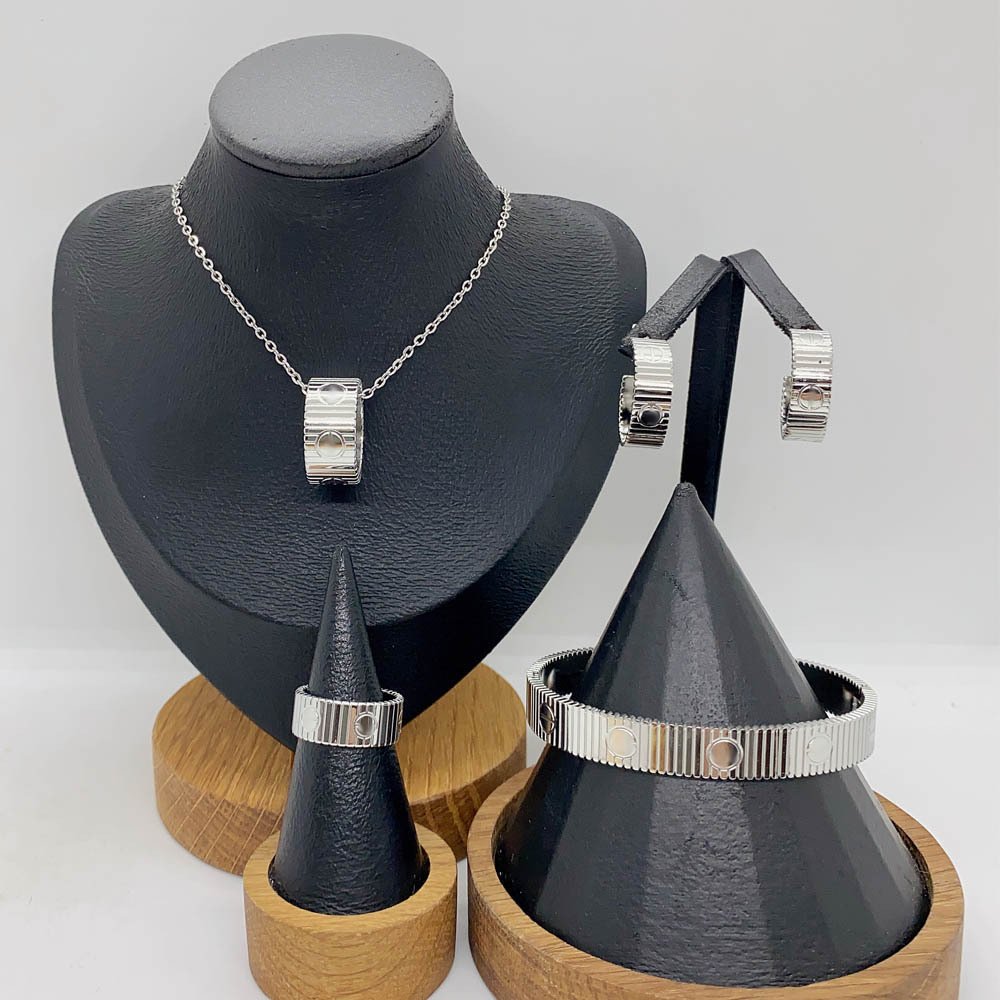
Stainless Steel Jewelry Wholesale No Minimum: The Low-Risk Sourcing Playbook for US Retailers
For boutique owners, Etsy sellers, TikTok live merchants, and emerging jewelry brands across the United States, traditional wholesale sourcing has long carried crippling financial barriers. Conventional stainless steel factories enforce strict minimum order quantities (MOQs) of 50 to 100 pieces per design, forcing small operators to sink thousands of dollars into unproven inventory they may never sell through. Today, stainless steel jewelry wholesale with no minimum order has reshaped the industry’s playing field, delivering accessible, profitable sourcing built for businesses of every size—from startup side hustles to established brick-and-mortar boutiques. This breakdown covers tangible benefits, supplier vetting rules, inventory execution tactics, and real profit logic every US retailer can implement immediately.
First, it is critical to define what “no minimum stainless steel jewelry wholesale” actually means for buyers, to cut through misleading industry marketing. True no-MOQ suppliers do not require a per-style unit minimum or total cart spending threshold to unlock factory wholesale pricing. Retailers can purchase one single 316L steel hoop earring, two PVD gold-plated signet rings, and one layered waterproof necklace at identical bulk rates reserved for large bulk orders.
This model pairs perfectly with stainless steel’s core retail advantages: 316L stainless steel is hypoallergenic, fully waterproof, tarnish-proof, and compliant with California Prop 65 safety standards, delivering far lower customer return rates than cheap alloy or thin electroplated jewelry. For US sellers targeting Gen Z and millennial shoppers who prioritize daily wearable, low-maintenance accessories, stainless steel is already a high-demand category, and no-minimum sourcing eliminates the biggest barrier to launching a competitive collection.
The most impactful advantage of no-minimum stainless steel wholesale is drastically reduced dead stock risk and stabilized cash flow—two make-or-break metrics for small US retail operations.
A boutique locked into a 100-piece bulk order of a viral geometric pendant faces steep losses once consumer interest shifts; with no minimum rules, retailers test 20–30 trending designs with just one or two units each, collect real customer feedback, and only reorder top-performing styles in larger batches. This “test-first, scale-later” inventory strategy ties up less working capital, eliminates discount liquidations for unsold jewelry, and lets merchants expand catalog variety without raising overhead.
A Los Angeles-based Etsy jewelry seller survey from 2026 reported a 41% reduction in unsold inventory waste after switching to no-minimum stainless steel suppliers, alongside a 28% jump in monthly new product launches. Cash flow flexibility also creates room for seasonal micro-drops: retailers can source tiny batches of holiday-themed stainless steel charm bracelets or summer marine pendants without committing to year-long bulk stock cycles.
US buyers must follow three non-negotiable supplier vetting steps before placing orders. verify PVD ion plating certification—authentic long-lasting gold, silver, and rose gold finishes use molecular PVD coating, while cheap surface plating chips after minimal wear and spikes customer refunds. Third, confirm US-compliant shipping and inspection protocols: reliable no-minimum suppliers offer FedEx, UPS, or DHL delivery to all American states, implement two-stage pre-shipping quality checks, and provide clear return policies for damaged pieces, eliminating customs and logistics headaches unique to US retailers. Avoid vendors hiding hidden surcharges for single-unit orders; legitimate no-minimum platforms maintain flat wholesale pricing regardless of order size, with no markup for small cart totals.
For immediate, revenue-driving execution, adopt this simple no-minimum stainless steel buying workflow tailored to US market demand. Allocate 70% of your jewelry sourcing budget to proven core staples—minimalist hoops, waterproof chain necklaces, stackable thin rings—ordering 3–5 units of each consistent bestseller. Reserve the remaining 30% for trend testing, purchasing just 1–2 pieces of emerging viral designs, personalized engraved steel pendants, and men’s statement stainless steel bands. Track sales velocity weekly: any SKU selling out within two weeks qualifies for a 20–30 piece reorder, while styles with zero customer inquiries get removed from future test batches. Use standard keystone pricing (doubling wholesale cost) for baseline margins, and mark up unique PVD zircon-embellished steel pieces 2.5x to boost gross profit without alienating budget-conscious American shoppers.
Stainless steel jewelry wholesale with no minimum is not merely a cost shortcut—it is a sustainable, scalable sourcing strategy built for the fast-moving US accessory market. By removing rigid volume requirements, retailers of all backgrounds launch diverse, trend-responsive stainless steel collections without gambling large sums on unproven inventory. When paired with rigorous material vetting and data-backed restocking practices, no-minimum stainless steel sourcing delivers consistent profit, fewer customer complaints, and the agility required to outpace competitors locked into outdated high-MOQ wholesale contracts. For any US jewelry business aiming to grow steadily in 2026, this flexible sourcing model is no longer optional—it is the industry standard for long-term retail success.